In an era where sustainable practices and waste-to-value technologies are reshaping industries, the ability to transform organic residues into high-carbon commodities has never been more critical. For decades, agricultural by‑products such as coconut shells, rice husks, and bamboo offcuts were considered low‑value waste, often left to rot or burned in the open, causing air pollution and resource loss. Today, advanced pyrolysis systems offer a clean, efficient pathway to convert these materials into charcoal, bio‑oil, and syngas. Among the most sought‑after solutions are continuous carbonisation lines that handle diverse feedstocks with minimal emissions. Whether you are a small‑scale entrepreneur or an industrial operator, understanding the nuances of different equipment can make the difference between a marginal operation and a highly profitable one. This article explores four specialised machines that have gained global traction, highlighting their unique features, applications, and economic benefits.
Turning Waste into Wealth: Core Technology Overview
Pyrolysis, the thermal decomposition of biomass in an oxygen‑limited environment, lies at the heart of modern charcoal production. Unlike traditional earth‑mound kilns, which release vast amounts of smoke and have low yields, contemporary machines precisely control temperature, residence time, and pressure. This not only maximises charcoal output but also captures combustible gases that can be recycled to heat the reactor, making the process energy self‑sufficient. The resulting biochar has a high fixed carbon content, making it valuable for industrial fuel, barbecue charcoal, soil amendment, and metallurgical applications. With tightening environmental regulations worldwide, switching to certified pyrolysis equipment is no longer a luxury but a necessity for compliance and market access. Below, we delve into four distinct machines tailored to specific raw materials, each representing a pinnacle of engineering for its niche.
Heavy‑duty Conversion for Woody Biomass
When dealing with dense, lignocellulosic materials such as hardwood logs, coconut shells, or large branches, the equipment must withstand high mechanical stress and ensure uniform heat transfer. A robust charcoal making machine designed for such feedstocks typically incorporates a rotary carbonisation furnace or a multi‑tube reactor. These systems can process several tons per day, operating continuously with automated feeding and discharging. The key advantage lies in their ability to handle particles of varying sizes without pre‑processing, significantly reducing operational costs. For entrepreneurs in regions with abundant forestry waste or coconut plantations, investing in such a unit transforms a disposal problem into a steady income stream. The charcoal produced is dense, with high calorific value, ideal for hookah coals and industrial briquettes. Moreover, the closed‑loop design captures tar and wood vinegar, which can be sold as by‑products, further enhancing profitability.
Specialised Solution for Palm Kernel Shells
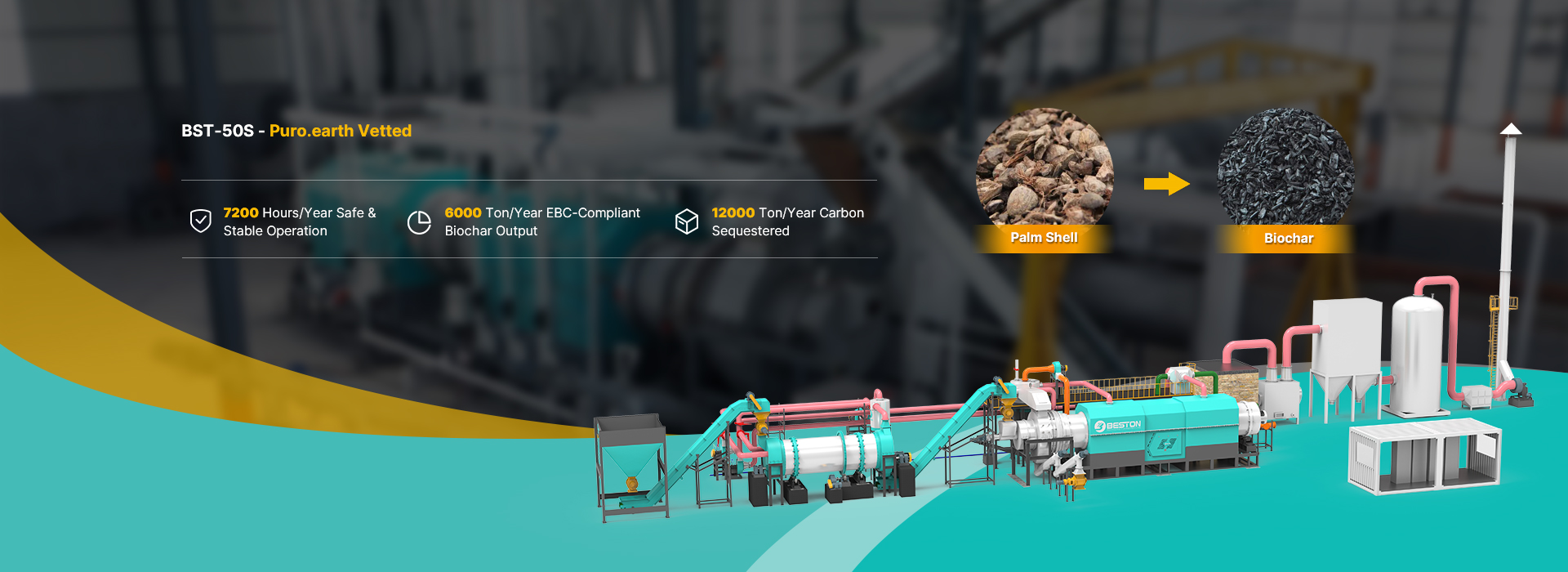
Palm oil processing generates enormous quantities of palm kernel shells (PKS), a hard, fibrous residue with high lignin content. While PKS is already used as a boiler fuel in its raw form, its value multiplies when converted into high‑grade charcoal. A dedicated palm kernel shell charcoal machine is engineered to handle the unique properties of this feedstock, such as its abrasiveness and uniform particle size. These machines often feature reinforced reactor materials and specialised discharge mechanisms to prevent clogging. The resulting charcoal is extremely hard, with low ash content, making it a premium product for export markets, particularly in the Middle East and East Asia where it is used for shisha and grilling. Additionally, the process yields a high volume of syngas, which can power the plant or even generate surplus electricity for nearby facilities. For palm oil mills looking to diversify revenue, this machinery offers a seamless integration into existing waste streams.
Optimised Carbonisation of Agricultural Residues
Rice cultivation produces husks that are bulky, high in silica, and notoriously difficult to carbonise efficiently in conventional equipment. Open burning of rice husk leads to severe air pollution and is banned in many countries. However, with the right technology, this challenging feedstock becomes a resource. A modern rice husk charcoal making machine (often called a rice hull carboniser) employs a vertical shaft design or a fluidised bed to ensure even heating and prevent the husks from being carried away by the gas flow. The carbonisation process transforms the high‑silica husks into a porous biochar that is excellent for soil conditioning, water filtration, and as an insulation material in steelmaking. Furthermore, the heat generated can be recovered to dry incoming wet husks, creating a self‑sustaining cycle. Regions with large rice mills can aggregate their husk waste and operate a centralised carbonisation facility, producing a consistent product that commands a premium in horticultural and industrial markets.
Engineered Precision for Bamboo Processing
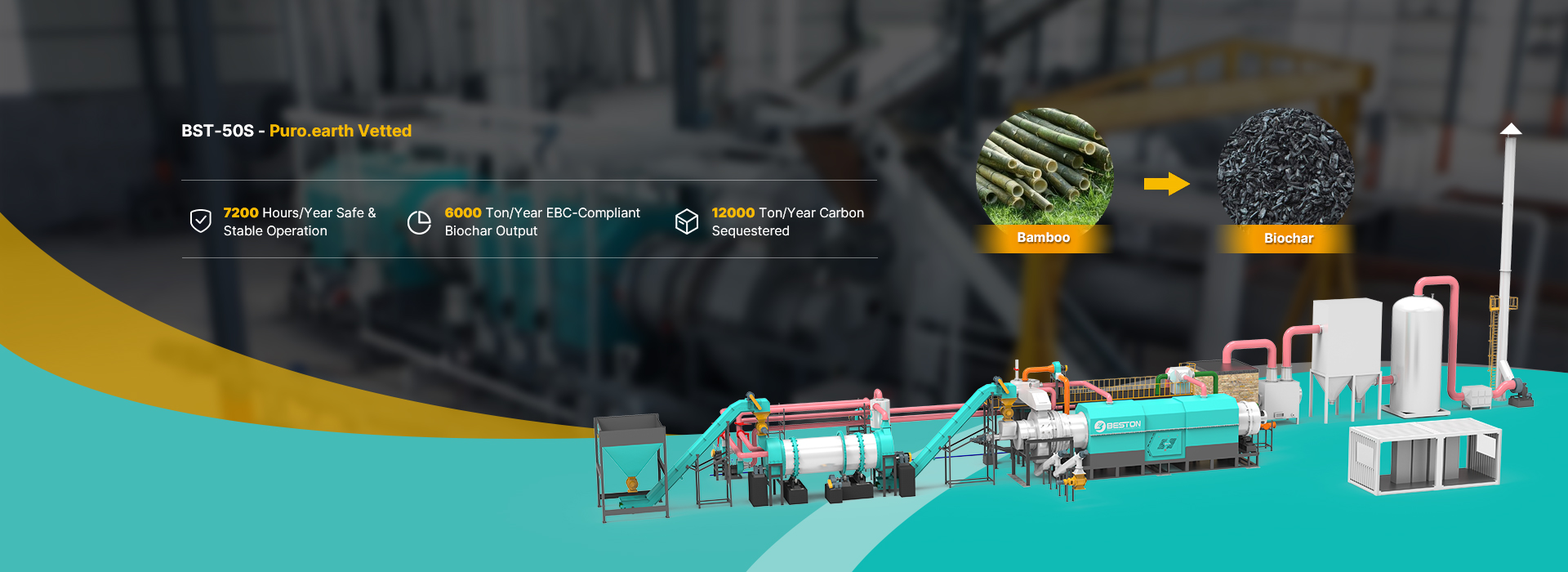
Bamboo, one of the fastest‑growing plants on earth, is prized for its strength and renewable nature. When converted into charcoal, bamboo yields a product with a fine cellular structure, ideal for high‑end barbecue coals, activated carbon precursors, and even cosmetic ingredients. However, bamboo’s hollow internodes and high moisture content require a tailored approach. A specialised bamboo charcoal machine typically integrates a pre‑drying stage and a carbonisation chamber that can handle long culms or pre‑chopped pieces. Advanced models use indirect heating to preserve the integrity of the charcoal, resulting in clean, breakage‑free sticks that are highly valued in Asian cuisine and shisha lounges. The machine also allows precise control over the carbonisation temperature, enabling the production of bamboo vinegar, a valuable by‑product used in organic farming and health products. For communities managing bamboo forests, this technology provides a sustainable way to monetise fast‑growing biomass without depleting resources.
Conclusion: Selecting the Right Path to Carbonisation
The transition from traditional charcoal making to advanced pyrolysis is not merely about buying a piece of equipment; it is about adopting a systematic approach to resource management. Each feedstock – be it wood, palm kernel shells, rice husks, or bamboo – presents unique challenges and opportunities. By matching the material with a machine specifically engineered for its properties, operators can achieve maximum yield, lowest emissions, and the highest quality end product. The four technologies discussed above represent the forefront of this industry, offering scalable solutions that align with global sustainability goals. As markets increasingly demand traceable, low‑carbon products, investing in the right carbonisation system positions a business at the forefront of the green economy. Whether your goal is to reduce waste, generate clean energy, or produce premium charcoal, the journey begins with understanding the specific capabilities of each machine and selecting the one that turns your local biomass into a global asset.