As the world accelerates its transition toward circular resource management and low-carbon energy systems, pyrolysis oil has emerged as a promising alternative fuel and chemical feedstock. Produced through the thermal decomposition of waste materials such as plastics, biomass, and rubber in oxygen-limited conditions, pyrolysis oil provides a pathway to convert difficult-to-recycle waste into valuable liquid energy. This dual benefit—waste reduction and resource recovery—has attracted increasing attention from investors, manufacturers, and policymakers across the globe.
In recent years, the pyrolysis oil market has expanded rapidly due to rising concerns over plastic pollution, growing energy demand, and stronger environmental regulations. Governments and industries are exploring advanced waste-to-energy technologies to support sustainable development while reducing landfill dependency. As a result, pyrolysis oil is now positioned at the intersection of environmental management, energy diversification, and chemical manufacturing. Market analysts expect the global pyrolysis oil industry to experience strong growth between 2025 and 2030, driven by technological innovation and increasing adoption across multiple sectors.
Global Market Size and Growth Potential
The global pyrolysis oil market is expected to witness substantial expansion during the next decade. Several research reports estimate that the compound annual growth rate (CAGR) of the sector between 2025 and 2030 could exceed 15%, fueled by growing investments in waste conversion technologies and renewable fuels. Regions with strong waste management challenges—particularly Asia-Pacific, Europe, and parts of North America—are likely to remain the key growth hubs.
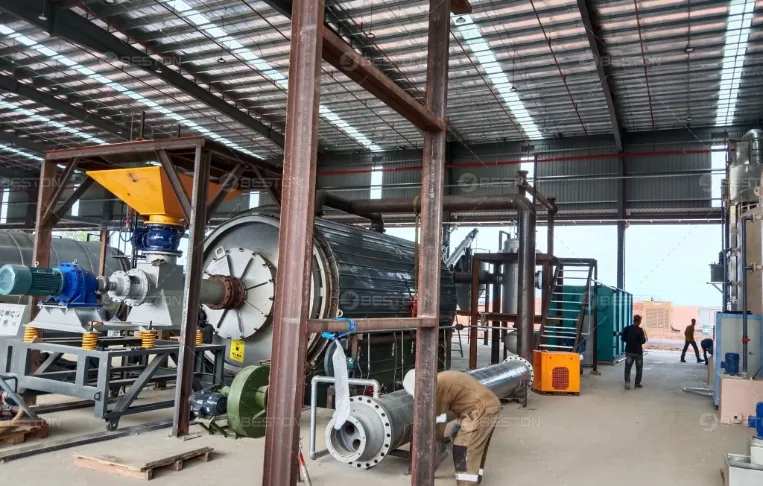
Technological advancements are playing a crucial role in scaling up production capacity. Modern industrial systems such as the continuous pyrolysis plant allow operators to process large volumes of waste materials with minimal downtime. Unlike traditional batch systems, continuous designs enable stable, uninterrupted operation and higher energy efficiency. This industrial reliability is essential for large-scale pyrolysis oil production, which requires consistent feedstock processing and steady output quality to meet commercial market demand.
The increasing availability of advanced equipment has significantly lowered operational barriers for companies entering the pyrolysis industry. As technology becomes more mature and scalable, pyrolysis oil production is expected to shift from small experimental facilities to fully integrated industrial plants capable of supplying regional fuel and chemical markets.
Price Index and Economic Drivers
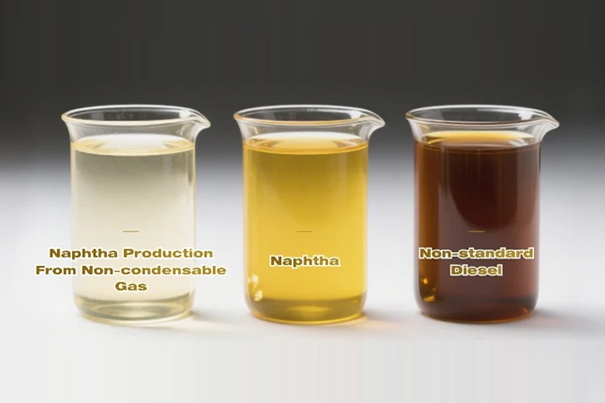
The price of pyrolysis oil is influenced by several factors, including crude oil prices, feedstock availability, processing costs, and regional energy demand. In many markets, pyrolysis oil trades at a discount compared with conventional petroleum products due to differences in refining requirements. However, its competitive advantage lies in its ability to transform waste materials into usable fuel, creating both economic and environmental value.
Feedstock costs are often one of the most significant economic variables. Waste plastics, which are widely available in municipal and industrial waste streams, represent one of the most common raw materials used for pyrolysis oil production. Facilities equipped with a plastic pyrolysis plant can convert large volumes of discarded plastic into liquid fuel while simultaneously reducing environmental pollution. This capability allows operators to generate revenue from materials that would otherwise incur disposal costs.
Another important price driver is the growing recognition of circular economy principles. As governments introduce stricter waste management regulations and carbon reduction policies, the economic value of recycling technologies continues to increase. Incentives for waste recovery, carbon reduction credits, and renewable fuel programs are expected to further improve the profitability of pyrolysis oil production over the coming decade.
Dual Applications: Fuel and Chemical Feedstock
One of the key advantages of pyrolysis oil is its versatility. Unlike many alternative fuels that are limited to specific applications, pyrolysis oil can be used in both energy production and chemical manufacturing. This dual functionality significantly expands its market potential and provides producers with greater flexibility in responding to market demand.
In the energy sector, pyrolysis oil can serve as a substitute for conventional fuel oil in industrial boilers, furnaces, and power generation systems. When refined or blended appropriately, it can also be upgraded into transportation fuels or marine fuel alternatives. Technologies such as the plastic to fuel machine are designed to maximize fuel recovery efficiency while maintaining stable product quality, enabling operators to produce liquid fuels suitable for a variety of industrial energy applications.
Beyond fuel applications, pyrolysis oil is also attracting attention as a potential chemical feedstock. Petrochemical companies are increasingly interested in using pyrolysis oil as a source of hydrocarbons for producing plastics, solvents, and specialty chemicals. This trend aligns with the broader shift toward sustainable chemical production, where recycled carbon sources replace virgin fossil feedstocks.
Regional Differences and Market Opportunities
Regional dynamics play a significant role in shaping the pyrolysis oil market. Asia-Pacific currently leads in terms of production capacity due to its large population, high plastic consumption, and strong manufacturing base. Countries such as China, India, and Southeast Asian nations generate enormous volumes of plastic waste, creating both environmental challenges and economic opportunities for pyrolysis technology deployment.
Europe, on the other hand, is emerging as a leader in regulatory innovation. Strict landfill restrictions, ambitious recycling targets, and carbon neutrality goals are driving significant investments in advanced waste-to-energy systems. European chemical companies are actively exploring partnerships with pyrolysis technology providers to secure sustainable hydrocarbon feedstocks.
North America also presents promising opportunities, particularly as energy companies diversify into renewable and circular technologies. Many investors in the region are seeking scalable solutions that combine waste management with energy production. Technology providers such as Beston Group have been actively developing advanced pyrolysis systems to meet the growing global demand for reliable waste-to-fuel solutions.
Emerging economies in Africa and Latin America are also beginning to explore pyrolysis technology as a way to address waste management challenges while creating new energy resources. As infrastructure improves and investment increases, these regions could become important contributors to the global pyrolysis oil supply chain.
Conclusion
The pyrolysis oil market is entering a transformative period characterized by rapid technological progress, expanding global demand, and growing recognition of circular economy principles. With projected strong growth between 2025 and 2030, pyrolysis oil is becoming an increasingly important component of the global energy and resource recovery landscape.
Advancements in industrial processing technologies, combined with supportive environmental policies, are enabling large-scale conversion of waste materials into valuable fuel and chemical feedstocks. As industries seek practical solutions to manage waste while reducing carbon emissions, pyrolysis oil offers a compelling pathway toward sustainable resource utilization.
For investors, technology providers, and supply chain participants, understanding the evolving dynamics of the pyrolysis oil market will be critical for capturing future opportunities. Companies that adopt advanced processing technologies and integrate waste-to-energy solutions into their operations are likely to play a leading role in shaping the next generation of sustainable industrial development.