As global awareness of environmental sustainability rises, biochar production has emerged as a promising investment opportunity. Biochar, a form of charcoal produced from biomass, not only helps reduce carbon emissions but also improves soil fertility. But who exactly stands to benefit the most from venturing into biochar production? Understanding the key players and the necessary resources can guide potential investors toward a profitable and eco-friendly venture.
Companies with Stable Biomass Resources
Industries that already possess a consistent supply of biomass, such as biochar production equipment operators, paper mills, and wood processing factories, are ideally positioned to enter the biochar market. These companies can utilize their existing organic waste, including sawdust, wood chips, and agricultural residues, reducing disposal costs while generating a valuable product. By converting biomass into biochar, they not only improve their environmental footprint but also create a new revenue stream without heavily relying on external raw material suppliers.
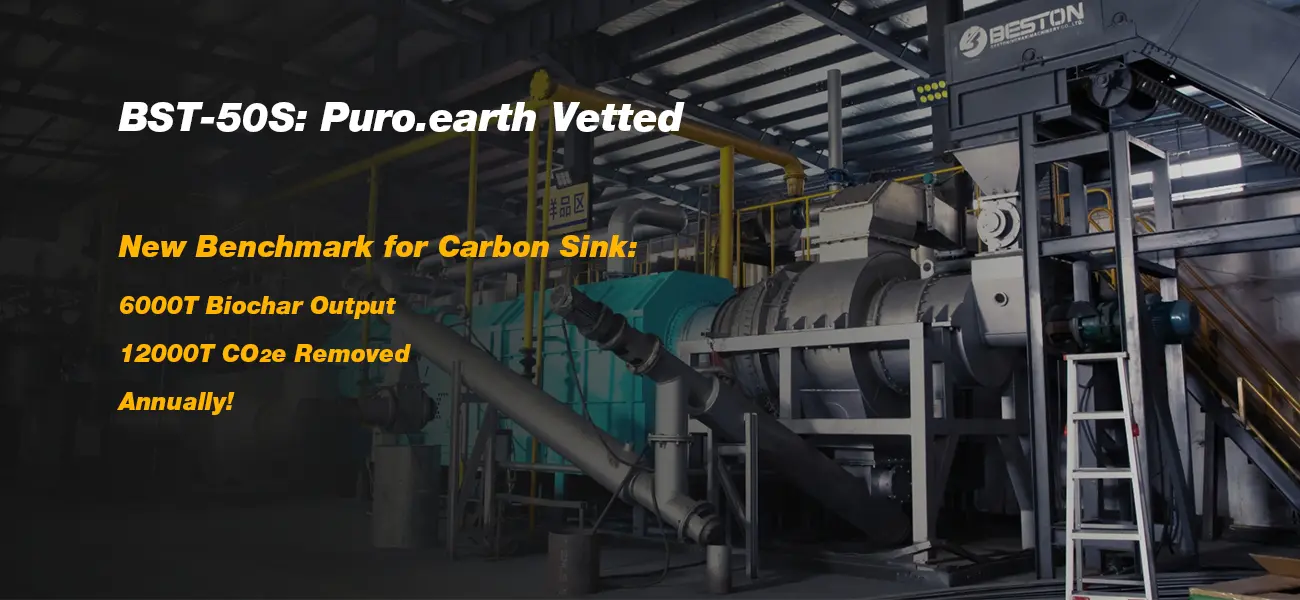
Agricultural Enterprises and Farmers
Farmers and agricultural cooperatives are increasingly exploring biochar production to enhance soil health and crop yields. Investing in biochar production equipment allows them to transform crop residues, such as corn stalks and rice husks, into high-quality biochar. Additionally, understanding how to make charcoal from sawdust offers an accessible pathway for smaller farms to produce biochar efficiently. Beyond improving soil fertility, farmers can supply local horticultural markets or partner with eco-conscious industries seeking sustainable materials.
Renewable Energy and Environmental Startups
Startups focusing on renewable energy or environmental solutions may find biochar production particularly attractive. These ventures can integrate biochar into a circular economy model, using waste biomass to generate energy or improve land management practices. For instance, investing in a wood to charcoal machine enables startups to produce both biochar and bio-oil as byproducts, diversifying income streams. Aligning with green technology trends, these startups can attract grants, subsidies, and environmentally conscious investors, further boosting the business potential.
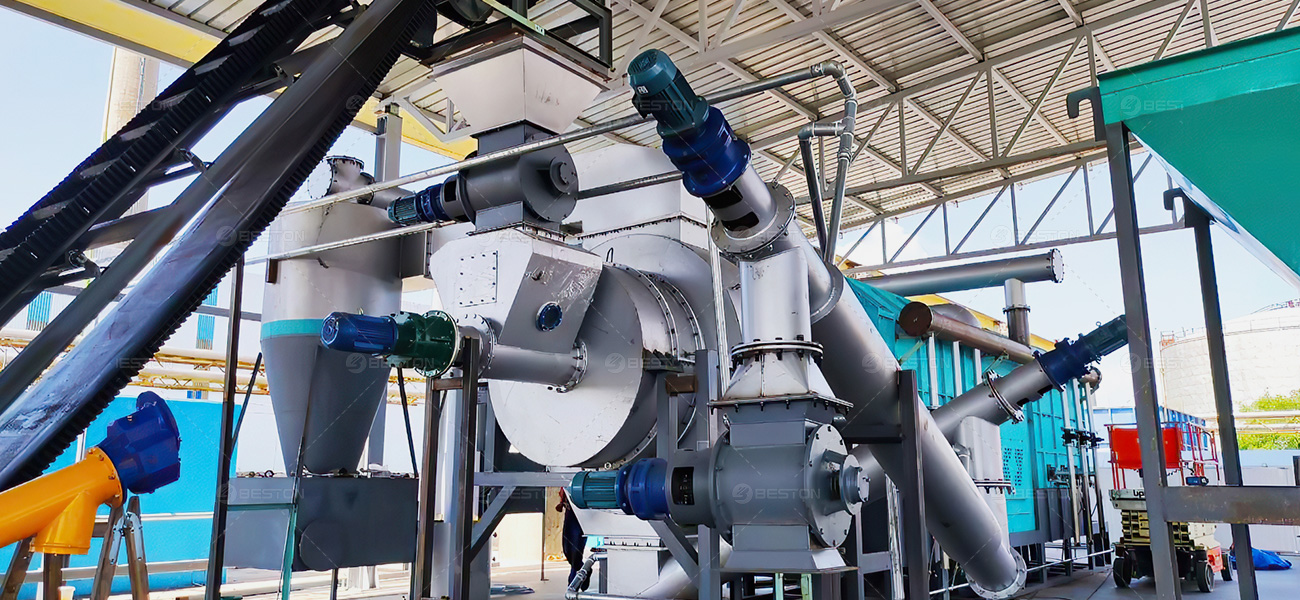
Companies Seeking Corporate Social Responsibility Projects
Corporations aiming to enhance their corporate social responsibility (CSR) profile can also benefit from investing in biochar production. By supporting sustainable initiatives, such as producing biochar for soil restoration or carbon sequestration, companies contribute positively to environmental goals while demonstrating leadership in sustainability. Partnering with reputable providers like Beston Group ensures access to reliable technology and expert guidance, reducing risk and improving the likelihood of long-term success.
Conclusion
Investing in biochar production offers a unique blend of environmental benefits and economic potential. The most suitable candidates include industries with stable biomass resources, agricultural enterprises, eco-focused startups, and companies pursuing CSR initiatives. With the right equipment and guidance, such as that provided by biochar production equipment, these investors can convert organic waste into valuable biochar, contributing to sustainability while unlocking new revenue opportunities. As the world increasingly prioritizes green solutions, biochar production stands out as an innovative and rewarding venture.